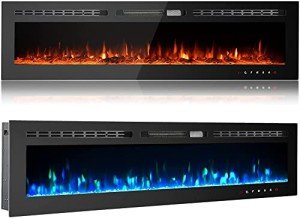
What Will Best Fireplace Be Like In 100 Years?


The Best Fireplaces: A Comprehensive Guide for Homeowners
Fireplaces have actually long been a cherished feature in homes, offering both warmth and an inviting environment. They can be found in various styles, sizes, and fuel types, permitting property owners to select one that fits their individual visual and heating needs. This post looks into the best fireplaces, highlighting crucial features and factors to consider to assist you make a notified decision.
Kinds of Fireplaces
Understanding the various kinds of fireplaces is essential in picking the very best choice for your home. Below are the most frequently utilized fireplaces:
Wood-Burning Fireplaces
- Advantages: Traditional appeal, natural ambiance, and effective heating.
- Downsides: Requires regular maintenance, ash disposal, and is subject to local guidelines relating to emissions.
Gas Fireplaces
- Advantages: Convenient, clean-burning, and simple to run.
- Downsides: Requires a gas line, can be more costly to set up initially.
Electric Fireplaces
- Benefits: Easy setup, low upkeep, and the safest choice for homes with children or pets.
- Downsides: Lack the authentic feel of wood or gas flames, may not heat up large areas successfully.
Pellet Stoves
- Benefits: Eco-friendly, effective, and supply a constant heat output.
- Drawbacks: Requires electrical power to operate, and pellet supply can be restricted in some areas.
Ethanol Fireplaces
- Advantages: No chimney required, portable, and environmentally friendly.
- Disadvantages: Generally less effective for heating.
A Comparison of Fireplace Types
| Type | Setup Cost | Running Cost | Heat Output | Maintenance | Ecological Impact |
|---|---|---|---|---|---|
| Wood-Burning | ₤ ₤ | ₤ | High | High | Moderate |
| Gas | ₤ ₤ ₤ | ₤ ₤ | Medium-High | Low | Moderate |
| Electric | ₤ | ₤ ₤ | Low | Really Low | Low |
| Pellet | ₤ ₤ | ₤ | Medium | Medium | Low |
| Ethanol | ₤ ₤ | ₤ ₤ ₤ | Low | Really Low | Really Low |
Leading Considerations When Choosing a Fireplace
When you're in the market for a brand-new fireplace, keep the following factors in mind to guarantee you select the very best one for your home:
- Purpose and Functionality: What do you desire your fireplace to do? Is it for heating or visual appeals? This will guide your choice considerably.
- Area Availability: Measure the location where you wish to install the fireplace. Make sure the picked type fits without frustrating the space.
- Fuel Source: Assess the accessibility and expense of numerous fuel sources in your location to avoid unexpected costs.
- Setup Complexity: Some fireplaces might need significant changes to your existing home structure.
- Structure Codes and Regulations: Be conscious of regional laws concerning ventilation, security, and emissions, as these can affect your fireplace choice.
- Aesthetic Appeal: The design and design of a fireplace can serve as a focal point or enhance the existing design, so select one that enhances your home's general aesthetic.
Benefits of a Fireplace
Including a fireplace to your home manages numerous benefits:
- Enhanced Aesthetic Appeal: A fireplace can raise the decoration of any room, developing a cozy and inviting environment.
- Increased Home Value: A well-installed fireplace can add considerable value to your home, making it appealing to prospective buyers.
- Energy Efficiency: Modern fireplaces, specifically gas and pellet stoves, can provide effective heating while minimizing energy costs.
- Emergency Heat Source: In cases of power interruptions, a wood or gas fireplace can serve as a trusted heat source.
- Celebration Space: Fireplaces frequently become the centerpiece for gatherings, promoting warmth and comfort during friend or family' parties.
Frequently Asked Questions (FAQs)
Q: How much does it cost to set up a fireplace? Continued : Installation expenses can differ substantially based upon the kind of fireplace, structural requirements, and labor costs. Basic electric fireplaces may cost around ₤ 300, while custom-made wood or gas fireplaces can run from ₤ 3,000 to upwards of ₤ 10,000. Q: Are electric fireplaces safe?A: Yes, electric
fireplaces are generally safe.
They do not produce carbon monoxide gas and have no open flames. They typically consist of security features like automatic shut-off systems. Q: How typically need to I have my chimney cleaned?A: If you utilize a wood-burning fireplace, it's suggested to have your chimney cleaned up a minimum of as soon as a year
to avoid creosote buildup, which can result in chimney fires. Q: Can I set up a gas fireplace myself?A: It's not suggested to set up a gas fireplace without expert assistance due to the complexities associated with gas
lines, ventilation, and security policies. Q: What are the very best kinds of fuel for wood-burning fireplaces?A: The best fuel choices consist of well-seasoned woods like oak, maple, or hickory, as they burn hotter and cleaner compared to softwoods. Picking the best fireplace for your home
includes thinking about many aspects, from aesthetic appeals to operate and safety. Each kind of fireplace has its unique benefits and prospective disadvantages.
Comprehending these elements, in addition to your personal heating needs and spending plan constraints, will assist you in making a notified choice. Ultimately, a fireplace can supply not just heat however also an abundant atmosphere, changing your home into an inviting sanctuary.